ORGANIKA

Organika examines how organic material holds structure, pressure, and containment across different states of life and time. The work brings together forms that exist in conditions of suspension, persistence, or residue, approaching them through a consistent photographic logic. Some materials contain life as possibility; others retain its trace. These states are understood not as opposites, but as positions along a continuum shaped by force, duration, and material behavior.

The project is not organized around themes of growth, decay, or symbolism. Instead, it focuses on how form responds to pressure. Eggs, water, wings, plants, and residual organic structures are approached as systems—closed or open, articulated or compressed—shaped by forces they do not control. What connects these materials is not narrative meaning, but how structure is maintained, stressed, or revealed over time.

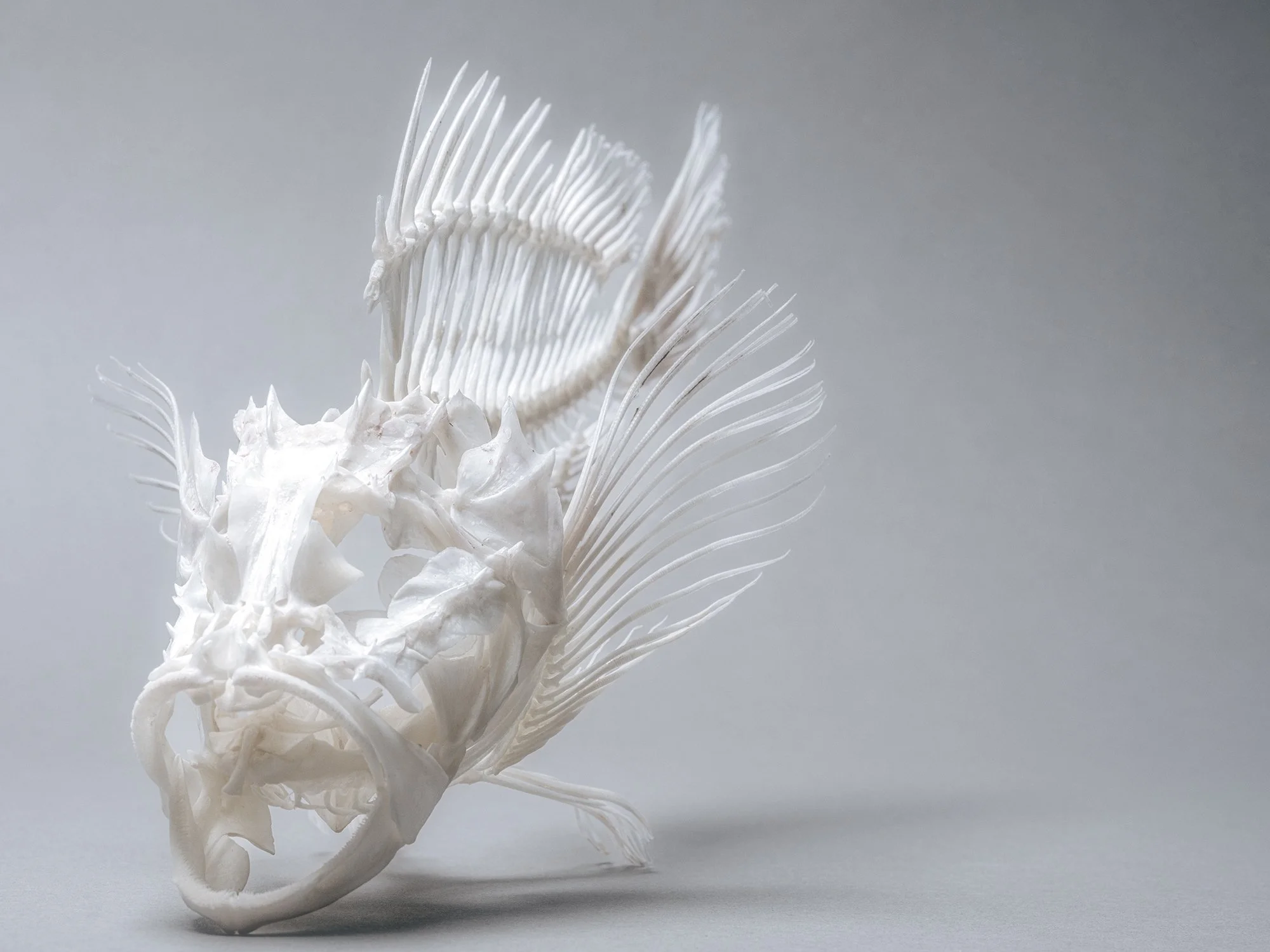
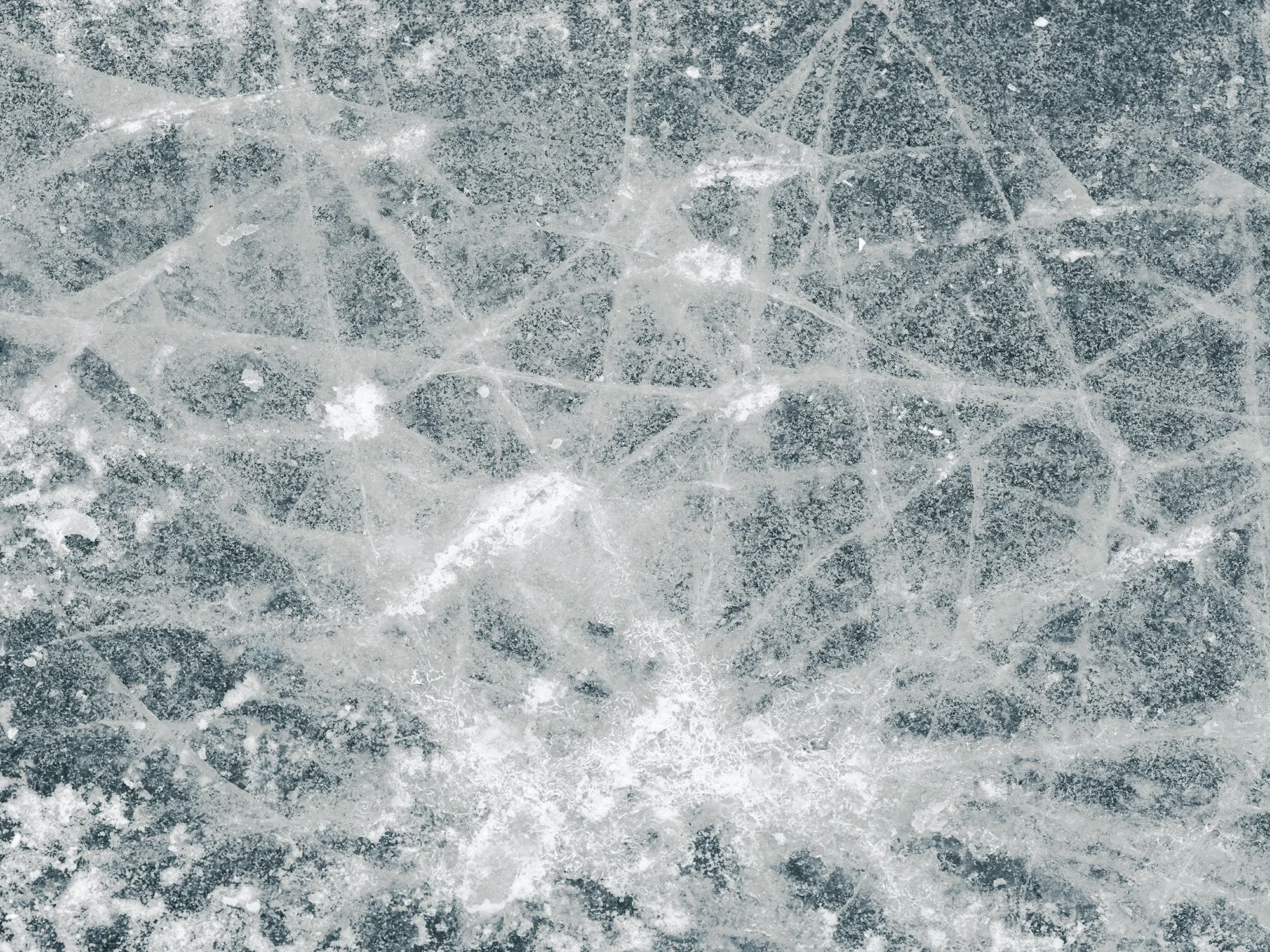
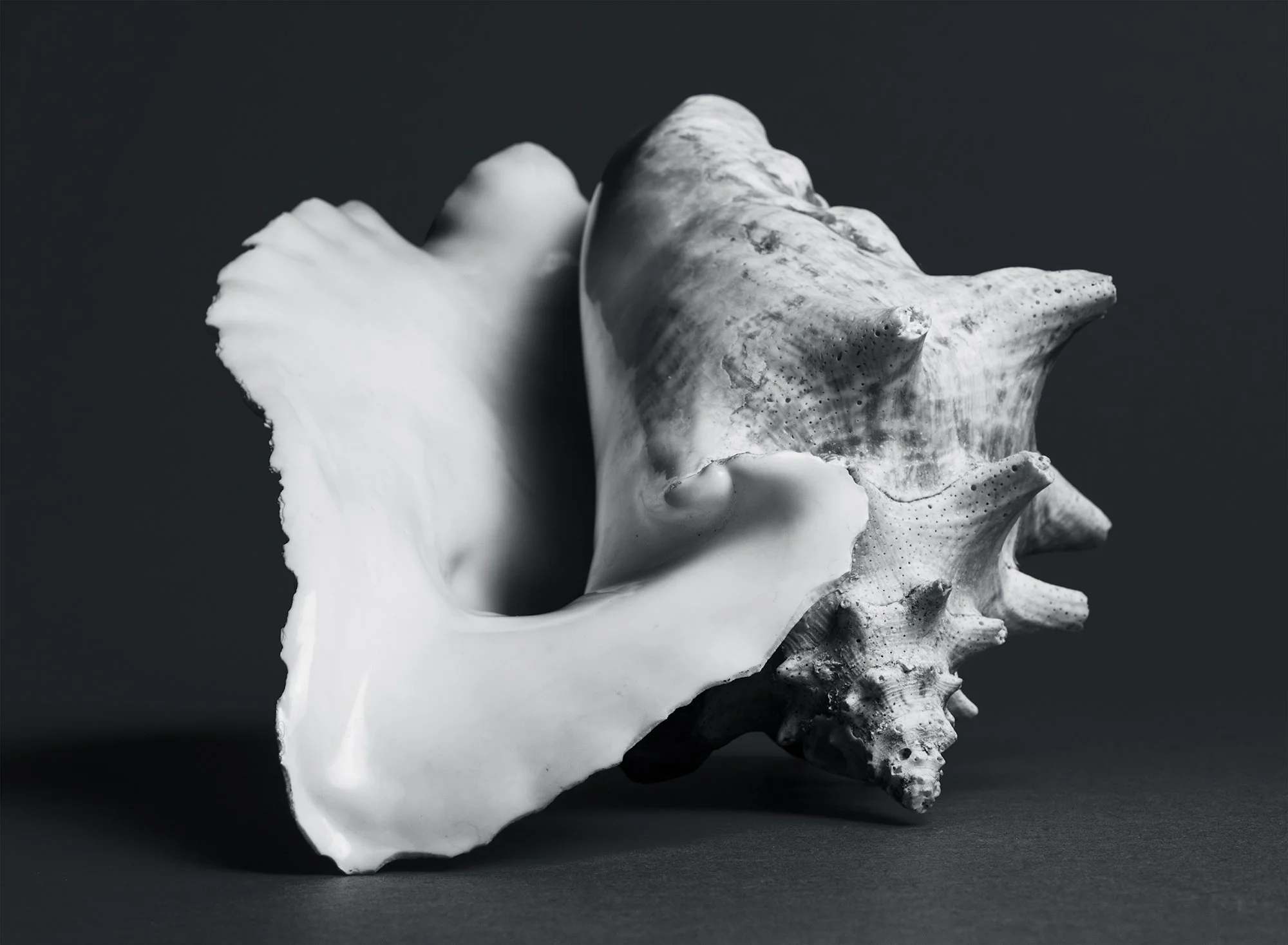
Material is approached without hierarchy. Living and residual forms are understood through shared physical conditions rather than metaphor or value. An egg holds life within a closed system defined by containment and internal pressure; residual structures such as bone or shell retain the imprint of life through articulation, density, or fracture. Water appears not as symbol or environment, but as force—expanding, compressing, exerting pressure without direction.

Pressure functions as a central organizing principle throughout the work, whether force is internal or external, resolved or unresolved. Time is treated not as transformation, but as accumulation: surfaces record repetition, edges reveal wear, and density shifts as material absorbs or resists force. These qualities are registered quietly, through proximity and scale.

The project is produced through sustained, controlled working conditions and a consistent photographic method. Images are edited decisively and sequenced only once internal coherence is established. In a photographic landscape shaped by speed, spectacle, and symbolic excess, Organika positions photography as a method of sustained attention—valuing clarity over excess and presence over interpretation.